Blog
30 Wholesale Coffee Sales Statistics That Define the B2B Market
Data-driven wholesale coffee statistics covering market size, B2B distribution, ecommerce growth, pricing margins, and global expansion through 2034.
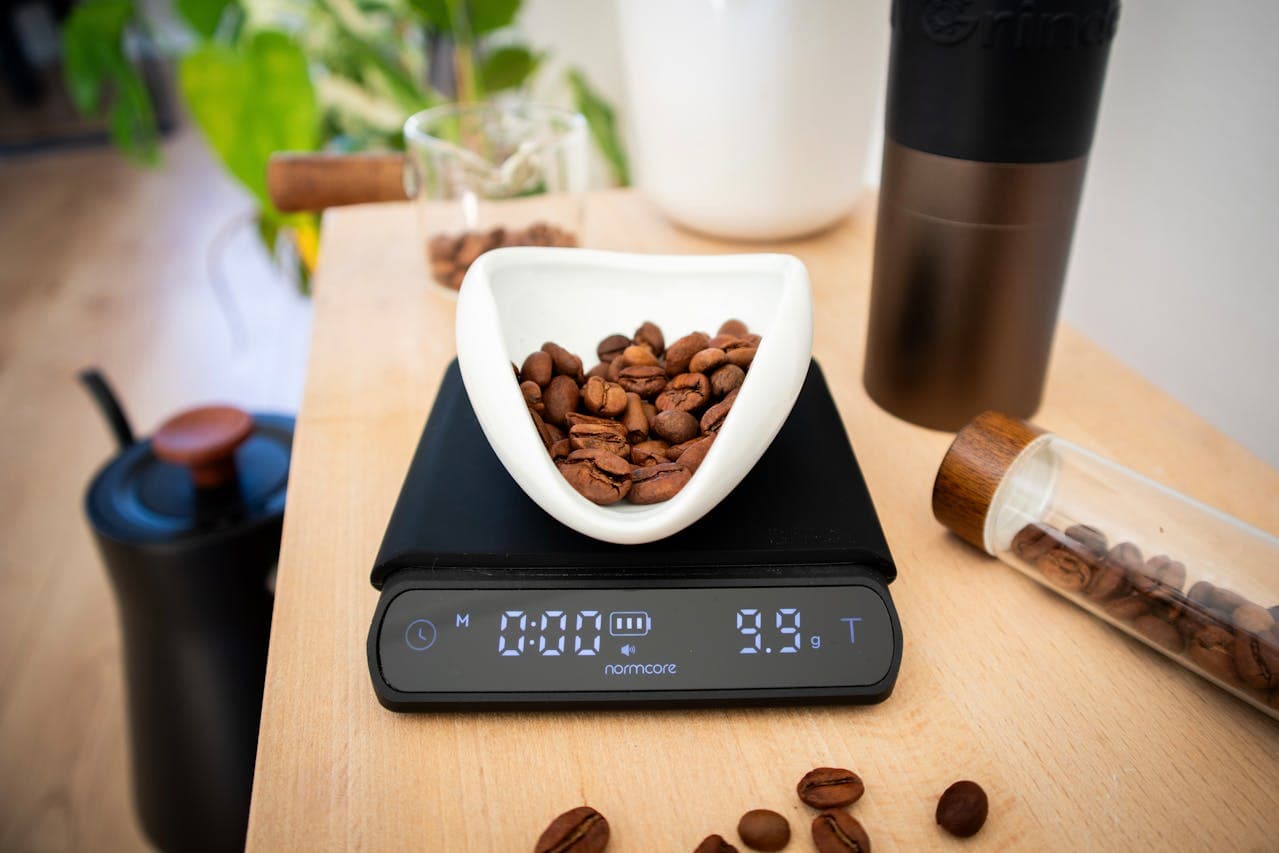
Data-driven insights into market size, distribution channels, and growth opportunities for coffee wholesalers leveraging modern ecommerce infrastructure
The wholesale coffee market represents one of the largest B2B opportunities in the food and beverage sector, with the B2B segment commanding 63% of global market share. For roasters, distributors, and specialty coffee brands looking to scale their wholesale operations, the right ecommerce infrastructure makes the difference between capturing this growth and losing ground to competitors. Platforms built for B2B wholesale ecommerce enable coffee businesses to manage complex pricing tiers, subscription billing, and multi-currency transactions from a single backend—critical capabilities as the market expands toward $381.52 billion by 2034.
Key Takeaways
- The global coffee market reached $245.2 billion in 2024 and is projected to grow at a 5.3% CAGR through 2030, creating sustained wholesale demand
- B2B channels dominate coffee distribution with 63% market share through cafes, hotels, offices, and foodservice operations
- Subscription models are gaining traction with 15% of Americans participating in coffee subscription services
- E-commerce is reshaping wholesale contributing $5.2 billion annually in U.S. coffee sales alone
- Premium positioning delivers margins with specialty coffee achieving 40-60% gross margins in wholesale formats
- International expansion requires infrastructure supporting multi-currency pricing and global ecommerce capabilities
- Production is at record highs with 178.8 million bags forecast for 2025/26, ensuring wholesale supply
Understanding the Wholesale Coffee Market: Key Statistics and Trends
1. Global coffee market valued at $245.2 billion in 2024
The worldwide coffee market reached $245.2 billion in 2024, establishing a massive foundation for wholesale operations. This valuation encompasses every stage of the supply chain, from green bean imports to finished retail products. For wholesalers, this market size represents substantial B2B opportunity across cafes, restaurants, hotels, and office coffee services.
2. Market projected to reach $381.52 billion by 2034
Sustained consumer demand and emerging market growth will push the global coffee market to $381.52 billion by 2034, growing at a 4.52% CAGR. This decade-long expansion creates reliable wholesale revenue streams for distributors who invest in scalable infrastructure now. The growth trajectory favors businesses with flexible ecommerce systems capable of adapting to changing buyer behaviors.
3. B2B segment holds 63% of global market share
The wholesale channel dominates coffee distribution, with B2B capturing 63% of market share in 2024. Cafes, hotels, restaurants, bakeries, and office coffee services drive this bulk purchasing behavior. This concentration of B2B activity makes wholesale coffee one of the most attractive segments for ecommerce platform investment.
4. U.S. coffee market reached $22.98 billion in 2024
The American coffee market generated $22.98 billion in 2024 and is anticipated to reach $32.23 billion by 2033. As the world's largest coffee importing nation, the U.S. represents a critical wholesale market for both domestic roasters and international suppliers. The combination of high consumption and premium pricing creates attractive margins for B2B operators.
5. U.S. specialty coffee market estimated at $47.8 billion
The specialty segment commands $47.8 billion in 2024 and is projected to grow at a 9.5% CAGR through 2030. This premium category represents the highest-margin wholesale opportunity, particularly for roasters serving independent cafes and specialty retailers. Wholesale platforms supporting customer-group-based pricing enable suppliers to structure tiered pricing for different specialty accounts.
The Supply Chain: Wholesale Coffee Beans and Sourcing Statistics
6. World coffee production forecast at 178.8 million bags for 2025/26
Global production will reach a record 178.8 million bags in the 2025/26 cycle, ensuring strong wholesale supply. This production level supports expanding global consumption without the supply constraints that drove price volatility in previous years. Wholesalers benefit from stable sourcing conditions for long-term contract pricing.
7. Brazil's harvest projected at 63.0 million bags
Brazil remains the dominant origin, though its combined Arabica and Robusta harvest will decline to 63.0 million bags in 2025/26. This represents approximately 35% of global production, making Brazilian coffee essential for any wholesale operation. Diversified sourcing strategies help wholesalers manage origin-specific supply fluctuations.
8. Vietnam production recovering to 30.8 million bags
Vietnam's Robusta-focused production is forecast at 30.8 million bags in 2025/26 as the sector recovers. This positions Vietnam as the world's second-largest producer and primary Robusta source for espresso blends. Wholesalers serving commercial accounts rely heavily on Vietnamese supply for cost-effective blending components.
9. Global consumption reaching record 173.9 million bags
World coffee consumption will hit 173.9 million bags in 2025/26, continuing its upward trajectory. This consumption growth outpaces production expansion, putting pressure on ending stocks. Wholesalers with strong supplier relationships and efficient inventory management will gain competitive advantage in tight supply conditions.
10. Arabica commands 56.74% of global market share
The premium Arabica species represents 56.74% of global market share in 2024, reflecting consumer preference for higher-quality beans. Specialty roasters and wholesale suppliers focusing on Arabica capture premium pricing and stronger margins. The species split influences inventory planning and supplier negotiations for wholesale operations.
Wholesale Distribution Channels and Market Performance
11. Off-trade outlets represent 80.41% of global coffee sales
Retail and at-home consumption channels account for 80.41% of global sales in 2024, though this includes wholesale-supplied retail products. The off-trade dominance highlights the scale of wholesale distribution feeding retail shelves. Wholesalers serving supermarket chains and grocery distributors capture the largest volume segments.
12. On-trade segment growing at 6.01% CAGR globally
The foodservice and cafe channel is expanding at 6.01% CAGR through 2030, outpacing overall market growth. This acceleration creates opportunity for wholesalers serving restaurants, hotels, and independent cafes. Marketplace capabilities enable roasters to connect with multiple cafe accounts through a single platform while managing split payments per vendor.
13. Europe dominates with 34% global market share
The European market captured 34% of global coffee revenue in 2024, making it the largest regional wholesale market. European coffee culture drives high per-capita consumption and premium pricing. Wholesalers targeting European expansion need infrastructure supporting multi-currency pricing across EUR, GBP, CHF, and Nordic currencies.
14. North America holds 28% of global market
North American markets account for 28% of global coffee sales, combining high volume with premium specialty segments. The concentration of specialty roasters and third-wave cafes creates wholesale demand for differentiated origins. Domestic wholesalers benefit from simplified logistics while facing intense competition on service and pricing.
15. Asia Pacific growing fastest at 6.2% CAGR
The Asia Pacific region will grow at 6.2% CAGR through 2034, representing the fastest-expanding wholesale market globally. China's consumption has surged 150% over ten years, creating new wholesale opportunities. Wholesalers entering Asian markets need robust ecommerce platforms with multi-language localization capabilities.
Consumer Demand Driving Wholesale Growth
16. 66% of Americans drink coffee daily
Daily coffee consumption has reached 66% of American adults, a 20-year high that drives consistent wholesale demand. This habitual consumption pattern creates predictable B2B ordering cycles for wholesale accounts. The reliability of coffee demand makes it an attractive category for subscription-based wholesale models.
17. Americans consume an average of 3 cups per day
The per-capita average of 3 cups daily translates to massive wholesale volume requirements. This consumption intensity supports wholesale pricing structures that reward volume purchasing. Cafes and offices consuming at commercial scale benefit from bulk pricing tiers managed through B2B ecommerce systems.
18. 45% of Americans had specialty coffee in the past day
Specialty coffee consumption has reached 45% of adults daily, representing an 80% increase since 2011. This specialty penetration creates wholesale demand for single-origin, micro-lot, and premium blend offerings. Roasters serving this market need product management systems supporting unlimited variants for origin, processing method, and roast profile.
19. 15% of Americans participate in coffee subscriptions
Subscription coffee has captured 15% of American consumers, creating recurring revenue opportunities for wholesale operations. This model works particularly well for B2B accounts requiring regular office or cafe restocking. Platforms with native subscription management eliminate third-party app dependencies while supporting flexible billing intervals.
20. 42% of consumers rate sustainable sourcing as important
42% of coffee buyers prioritize ethical sourcing in their purchasing decisions. This consumer pressure flows upstream to wholesale buyers who demand transparency from suppliers. Wholesalers can differentiate by providing certification documentation and farm-level traceability through their ordering systems.
E-commerce Transformation in Wholesale Coffee
21. E-commerce contributes $5.2 billion annually in U.S. coffee sales
Online coffee sales have reached $5.2 billion annually in the United States, fundamentally changing wholesale distribution. This digital channel enables direct relationships between roasters and commercial accounts without traditional distributor intermediaries. API-first platforms allow wholesalers to build custom ordering portals that integrate with existing business systems.
22. Amazon accounts for 28% of online coffee purchases
A single marketplace captures 28% of U.S. online coffee sales, demonstrating the concentration of digital commerce. Wholesalers need independent ecommerce capabilities to avoid platform dependency and margin compression. Building owned channels through headless commerce protects wholesale relationships and pricing flexibility.
23. 67% of millennials and Gen Z pay 40% more for ethical coffee
Younger consumers will pay 40% premiums for coffee labeled "climate-resilient" or "farmer-paid-a-living-wage." This willingness to pay extends to wholesale buyers serving sustainability-focused cafes and retailers. Premium positioning requires product information systems that communicate origin stories and certifications effectively.
24. Ready-to-drink coffee projected to grow at 6.1% CAGR
The RTD segment will expand at 6.1% CAGR through 2030, creating wholesale opportunity beyond whole bean and ground formats. This category requires different fulfillment logistics including cold chain and beverage-specific packaging. Wholesalers diversifying into RTD need flexible product type configurations beyond traditional coffee formats.
Pricing Strategies and Financial Performance
25. Premium coffee achieves 40-60% gross margins
Specialty wholesale coffee delivers 40-60% gross margins in premium formats, significantly outpacing commodity alternatives. These margins justify investment in quality-focused sourcing and premium positioning. Wholesalers capturing specialty margins need pricing systems supporting customer-group-based tiering for different account types.
26. Roasted products command 30-50% price premiums
Roasted coffee captures 30-50% premiums compared to green bean pricing, demonstrating value-add opportunity. This margin expansion rewards roasters who control more of the supply chain. Vertical integration from green sourcing through roasted wholesale maximizes profit capture.
27. Private-label offerings priced 20-30% below branded alternatives
Retail private-label coffee runs 20-30% below branded pricing at major retailers. This pricing pressure affects wholesale contract negotiations for branded suppliers. Differentiation through specialty positioning, origin transparency, and service quality protects wholesale margins against private-label competition.
28. Roasted coffee segment generated 56.1% of global revenue
The roasted category accounts for 56.1% of global coffee revenue, confirming its dominance in wholesale value. This concentration validates roaster investment in wholesale distribution capabilities. Platforms supporting the full product lifecycle from purchase options through fulfillment optimize roaster operations.
International Wholesale Expansion Opportunities
29. India's coffee exports doubled to $1.8 billion in FY24
Indian coffee exports reached $1.8 billion, demonstrating emerging origin growth in wholesale supply. This doubling over a decade reflects India's expanding role as a specialty Arabica and Robusta source. Wholesale buyers diversifying origins benefit from Indian supply as climate pressures affect traditional origins.
30. World coffee bean exports forecast at 123.8 million bags
Global export volume will reach 123.8 million bags in 2025/26, representing the traded portion of wholesale supply. This export flow connects origin-country producers with consuming-market roasters and distributors. Managing international wholesale relationships requires infrastructure supporting tax calculation integration for cross-border compliance.
Building Wholesale Coffee Infrastructure
The wholesale coffee market rewards businesses that invest in scalable, flexible ecommerce infrastructure. Key capabilities for wholesale coffee success include:
- Customer-group pricing allowing different rate structures for cafes, restaurants, and distributors
- Subscription management supporting recurring orders with flexible billing and fulfillment schedules
- Multi-currency transactions enabling international B2B sales across global markets
- Product bundling for creating wholesale packages with individual inventory tracking
- B2B payment terms through integrations like Resolve for net-30/60/90 invoicing
- Multi-warehouse fulfillment optimizing logistics for regional wholesale distribution
Platforms purpose-built for B2B wholesale provide these capabilities natively, eliminating the app dependencies and integration complexity that limit legacy systems.
Frequently Asked Questions
What percentage of the coffee market is wholesale vs. retail?
The B2B wholesale segment holds 63% of global market share, with commercial buyers like cafes, hotels, restaurants, and offices driving bulk purchasing. The remaining 37% flows through direct-to-consumer retail channels, though many retail products are wholesale-supplied. This distribution demonstrates wholesale's dominance in the coffee value chain. Commercial accounts create predictable, high-volume revenue streams for coffee suppliers.
How large is the U.S. wholesale coffee market?
The total U.S. coffee market reached $22.98 billion in 2024 with the specialty segment commanding $47.8 billion. E-commerce channels alone contribute $5.2 billion annually to domestic coffee sales. The B2B wholesale segment represents approximately 63% of this activity based on global distribution patterns. This makes the U.S. one of the world's most valuable wholesale coffee markets.
What margins do wholesale coffee businesses achieve?
Premium specialty coffee delivers 40-60% gross margins in wholesale formats, while roasted products command 30-50% premiums over green bean pricing. These margins vary by positioning, with private-label running 20-30% below branded alternatives. Specialty wholesalers focusing on quality and differentiation capture the highest margins. Volume-based commodity wholesalers typically operate on thinner profit percentages.
How is e-commerce changing wholesale coffee distribution?
Digital channels now generate $5.2 billion annually in U.S. coffee sales, enabling direct roaster-to-account relationships. API-first ecommerce platforms allow wholesalers to build custom B2B portals with customer-specific pricing and subscription automation. This infrastructure eliminates traditional distributor intermediaries and protects margin integrity. Integration with existing business systems streamlines operations from ordering through fulfillment.
What are the fastest-growing regional markets for wholesale coffee?
Asia Pacific leads regional growth at 6.2% CAGR through 2034, driven by China's 150% consumption surge over ten years. India and Vietnam are growing at 7.2% and 6.4% CAGR respectively through 2035. These markets represent both production and consumption expansion opportunities for wholesale operations. European and North American markets continue steady growth at lower but stable rates.