Blog
Best Ecommerce Platform for THCA Flower Brands in 2026
Compare the best ecommerce platforms for THCA flower brands in 2026. Explore solutions for compliance, subscriptions, payment processing, and growth.
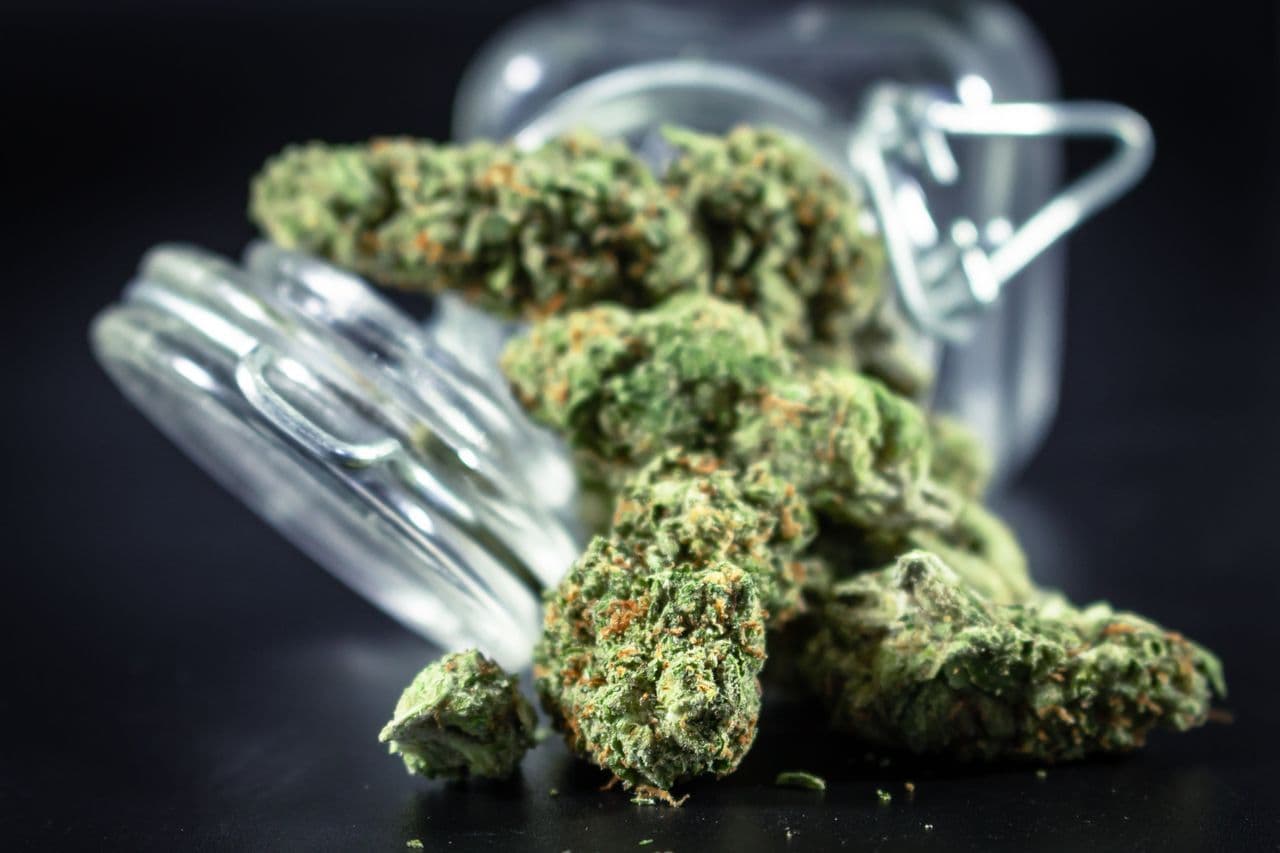
Selling THCA flower online requires more than a standard ecommerce platform. It demands infrastructure built for regulatory complexity, high-risk payment processing, and product catalogs that span multiple strains, potencies, and formats. With federal enforcement changes approaching and state-by-state compliance requirements intensifying, THCA brands need platforms that won't shut down their accounts overnight. This guide evaluates the six leading ecommerce solutions for THCA flower brands, examining their compliance policies, subscription capabilities, and features to help you choose the right foundation for your business.
For brands seeking an API-first platform with native subscription billing and explicit support for hemp derivatives, Swell stands as the clear frontrunner in 2026.
Key Takeaways
- Platform policy determines survival. Swell is the only major ecommerce platform placing zero restrictions on THCA, Delta-8, and smokable hemp products, while mainstream alternatives carry significant account shutdown risks.
- Transaction fees compound quickly. Swell's competitive fee structure for external payment gateways provides advantages over platforms like Shopify that charge 2% on third-party processors, translating to $10,000 annually on $500K in revenue.
- Native subscriptions eliminate app dependency. Built-in subscription management saves THCA brands $250-600 monthly in third-party app fees that competitors require for recurring billing functionality.
- Product variant limits impact catalog flexibility. Swell supports unlimited variants and custom attributes, while Shopify caps at 2,048 variants and BigCommerce at 600, which matters for THCA strains with multiple potencies and packaging options.
- API-first architecture enables custom compliance workflows impossible on template-based platforms, allowing THCA brands to implement age verification flows tailored to state requirements and automatically adjust product visibility based on customer location.
1. Swell: API-First Platform with Explicit THCA Support
Swell emerges as the definitive choice for THCA flower brands, offering the only mainstream headless commerce architecture with documented support for Delta-8, THCA, HHC, and full-spectrum hemp derivatives.
Why THCA Brands Choose Swell:
- Explicit policy allowing THCA flower, Delta-8, and smokable hemp products
- Competitive transaction fee structure on all external payment gateways
- Native subscription engine with flexible billing intervals and mixed cart support
- Unlimited products, variants, and custom attributes for strain profiles
- API-first design enabling custom compliance workflows and state-specific rules
- 99.99% platform uptime with infrastructure built for traffic spikes
Swell's architecture proves essential for THCA brands requiring custom compliance workflows. The platform enables state-specific shipping restrictions through native geo-restriction capabilities, allowing brands to automatically block orders from states where THCA products face legal restrictions.
For subscription-based THCA businesses, Swell's built-in recurring billing eliminates the need for third-party apps entirely. Brands can offer subscription plans with separate invoicing and fulfillment schedules (billing monthly while shipping quarterly, for example) with automatic payment retry and dunning rules to reduce churn.
The platform supports 250+ custom fields per product, enabling THCA brands to document cannabinoid profiles, THC content, terpene data, and Certificate of Analysis (COA) information directly within product records. This data flexibility proves invaluable for compliance documentation and customer transparency.
2. BigCommerce: Established SaaS for CBD-Focused Brands
BigCommerce serves 130,000+ merchants globally with an established CBD program offering vetted payment partners and compliance guidance for hemp-derived products containing 0.3% THC or below.
Platform Strengths:
- Official CBD program with pre-approved payment processor relationships
- Enterprise-grade infrastructure with managed hosting
- Native B2B wholesale capabilities without additional apps
- 600 product variant limit per product
- GraphQL and REST API access for custom integrations
- Competitive transaction fee structure across pricing tiers
Pricing Structure:
- Core: $29/month ($30K annual sales ceiling)
- Growth: $79/month ($100K GMV target)
- Pro: $299/month ($1M ceiling, 0.9% overage)
- Enterprise: Custom pricing
BigCommerce excels for brands selling CBD products that meet federal THC thresholds. The platform's B2B tools allow wholesale pricing tiers without requiring separate storefronts or third-party applications.
However, THCA flower products occupy a regulatory gray area on BigCommerce. The platform's CBD program focuses specifically on products meeting the 0.3% THC threshold, and account stability depends heavily on payment gateway approval. Brands selling THCA flower, smokable hemp, or Delta-8 products should evaluate policy compatibility carefully.
3. WooCommerce: Self-Hosted Flexibility for Technical Teams
WooCommerce powers 7+ million installations as an open-source WordPress plugin, offering maximum control over storefront design and compliance implementation for brands with dedicated technical resources.
Core Capabilities:
- Free core platform with unlimited products and variants
- Complete frontend and backend customization
- Platform-agnostic policy allowing any legal product category
- Native WordPress CMS for content marketing and SEO
- Extensive plugin ecosystem for additional functionality
- Full ownership of customer data and infrastructure
Cost Considerations:
- Platform: Free
- Managed hosting: $50-200/month
- Premium plugins: $600-2,400/year for subscriptions
- Development: $5,000+ initial setup
- Ongoing maintenance: Technical team required
WooCommerce's open-source nature means the platform itself places no restrictions on THCA products. The challenge shifts to finding compatible hosting providers and payment processors willing to support high-risk hemp businesses.
For brands with in-house development capabilities, WooCommerce offers extensive customization potential. Teams can implement custom age verification flows, state-by-state shipping rules, and compliance documentation systems tailored to their specific requirements. The WordPress foundation also provides strong content marketing capabilities for brands investing heavily in educational content around THCA products.
The trade-off involves ongoing technical management. Security updates, plugin compatibility, hosting optimization, and PCI compliance fall entirely on the merchant's team (responsibilities that SaaS platforms handle automatically).
4. Shopify: Ecosystem Leader with THCA Restrictions
Shopify serves millions of merchants globally with the largest ecommerce app ecosystem, though its policies explicitly prohibit THCA flower and smokable hemp products regardless of THC content.
Platform Characteristics:
- 8,000+ apps and integrations
- Fast time-to-launch for non-technical users
- Industry-leading reliability and performance
- CBD sales permitted through approved partners
- 2,048 product variants per product
- 2% transaction fee on third-party payment gateways
Pricing Structure:
- Basic: $39/month
- Shopify: $105/month
- Advanced: $399/month
- Plus: $2,000+/month
Shopify's Acceptable Use Policy explicitly bans products with greater than 0.3% THC, including THCA flower and Delta-8 products. Brands selling these products face account stability concerns, with documented cases of stores being terminated without warning.
For brands selling compliant CBD products only, Shopify's ecosystem depth and ease of use make it an attractive option. The platform's app marketplace addresses most functionality needs, though subscription capabilities require third-party apps.
THCA flower brands should consider Shopify only if they plan to separate their product lines (using a compliant platform for smokable hemp while maintaining a Shopify store for non-hemp products).
5. Dutchie: Purpose-Built for Licensed Dispensaries
Dutchie serves 6,500+ dispensaries as a cannabis-specific ecommerce platform designed for state-licensed THC retailers with Metrc integration and compliance tracking.
Dispensary-Focused Features:
- Metrc and BioTrack integration for seed-to-sale compliance
- Menu management optimized for dispensary operations
- In-store pickup and delivery coordination
- Age verification and ID scanning
- Point-of-sale integration
- State compliance reporting automation
Dutchie's value proposition centers on licensed dispensary operations where state seed-to-sale tracking systems require specialized integration. The platform handles compliance reporting, inventory synchronization, and customer verification workflows specific to licensed cannabis retail.
For hemp-derived THCA brands operating outside state licensing systems, Dutchie's feature set focuses on dispensary workflows rather than DTC ecommerce, subscription models, or wholesale distribution channels common among hemp brands.
6. TreezComm: POS-Integrated Dispensary Commerce
TreezComm supports dispensaries with integrated point-of-sale and ecommerce capabilities for licensed cannabis retailers.
Operational Strengths:
- Unified POS and ecommerce platform
- Multi-location inventory management
- Compliance automation for licensed operations
- Customer loyalty program integration
- Delivery and pickup coordination
- State reporting compliance
Like Dutchie, TreezComm serves the licensed cannabis market rather than hemp-derived THCA brands. The platform's strength lies in managing complex dispensary operations across multiple locations with integrated compliance systems.
Hemp brands without state cannabis licenses will find TreezComm's feature set oriented toward different operational requirements. The platform excels at dispensary-specific workflows but doesn't address the subscription billing, headless architecture, or international commerce capabilities that DTC THCA brands typically require.
Payment Processing Reality for THCA Brands
Regardless of platform choice, THCA flower brands face consistent payment processing challenges. According to industry analysis, banks and processors still consider hemp businesses high-risk despite federal legality, resulting in:
- Sudden account freezes
- Delayed settlements
- Limited online payment options
- Higher processing rates
Swell's architecture addresses this through gateway flexibility. The platform's encrypted card vault works with any payment gateway, allowing brands to integrate high-risk processors without platform restrictions. When one processor relationship ends, merchants can transition to alternatives without rebuilding their checkout infrastructure.
All THCA brands should budget for elevated payment processing fees regardless of platform selection. This cost remains consistent across Swell, BigCommerce, and WooCommerce implementations.
Choosing the Right Platform for Your THCA Business
Select Swell when:
- Selling THCA flower, Delta-8, or smokable hemp products
- Building subscription-based recurring revenue
- Requiring custom compliance workflows and state-by-state rules
- Planning headless storefront development with React, Vue, or Next.js
- Prioritizing competitive transaction fees and unlimited product variants
Consider BigCommerce when:
- Selling CBD products only (no THCA or smokable hemp)
- Preferring established SaaS with managed infrastructure
- Needing native B2B tools without significant customization
Evaluate WooCommerce when:
- Maintaining dedicated technical team for ongoing management
- Prioritizing content marketing through WordPress CMS
- Requiring maximum customization with self-hosted ownership
Frequently Asked Questions
What are the most important features for a THCA flower ecommerce platform?
THCA brands require explicit platform policy support for hemp derivatives, flexible payment gateway integration for high-risk processing, state-by-state shipping restrictions for compliance, and unlimited product variants for complex strain catalogs. Native subscription capabilities prove essential for brands building recurring revenue through flower-of-the-month programs or auto-replenishment models. Swell addresses all these requirements through its API-first architecture and documented THCA support.
Can I sell THCA flower internationally with an ecommerce platform?
International THCA sales face significant regulatory complexity as legal status varies dramatically by country. Swell supports 230 currencies and 170 languages with explicit pricing rules per currency for products, shipping, and discounts. The platform's geo-restriction capabilities enable brands to block orders from prohibited regions automatically. However, brands must independently verify THCA legality in target markets and ensure compliance with import regulations before expanding internationally.
How does an API-first platform benefit THCA flower brands specifically?
API-first architecture enables custom compliance workflows impossible on template-based platforms. THCA brands can implement age verification flows tailored to state requirements, automatically adjust product visibility based on customer location, and build custom checkout experiences that include required disclaimers and documentation. Swell's headless commerce approach also allows brands to connect mobile apps, IoT devices, and multiple storefronts to a single backend, which proves valuable for brands expanding beyond traditional web commerce.
What are the typical transaction fees associated with ecommerce platforms for THCA products?
Platform transaction fees range from competitive structures (Swell, BigCommerce, WooCommerce core) to 2% on third-party gateways (Shopify). For a brand processing $500K annually, this difference represents significant potential savings. Beyond platform fees, high-risk payment processing for THCA products typically runs 3-4% plus per-transaction fees, significantly higher than standard merchant rates.
How long does platform migration take for established THCA brands?
Migration timelines vary by source platform and data complexity. Moving from Shopify or BigCommerce to Swell typically requires 1-3 months, including data export, import configuration, theme customization, and testing. Swell offers data migration assistance and supports Shopify theme uploads within its environment, simplifying the transition process. Brands should plan for parallel operation during migration to maintain order processing continuity.