Blog
32 Coffee Subscription Trends
Discover 32 coffee subscription trends covering market growth, personalization, B2B trade models, retention strategies, and ecommerce infrastructure.
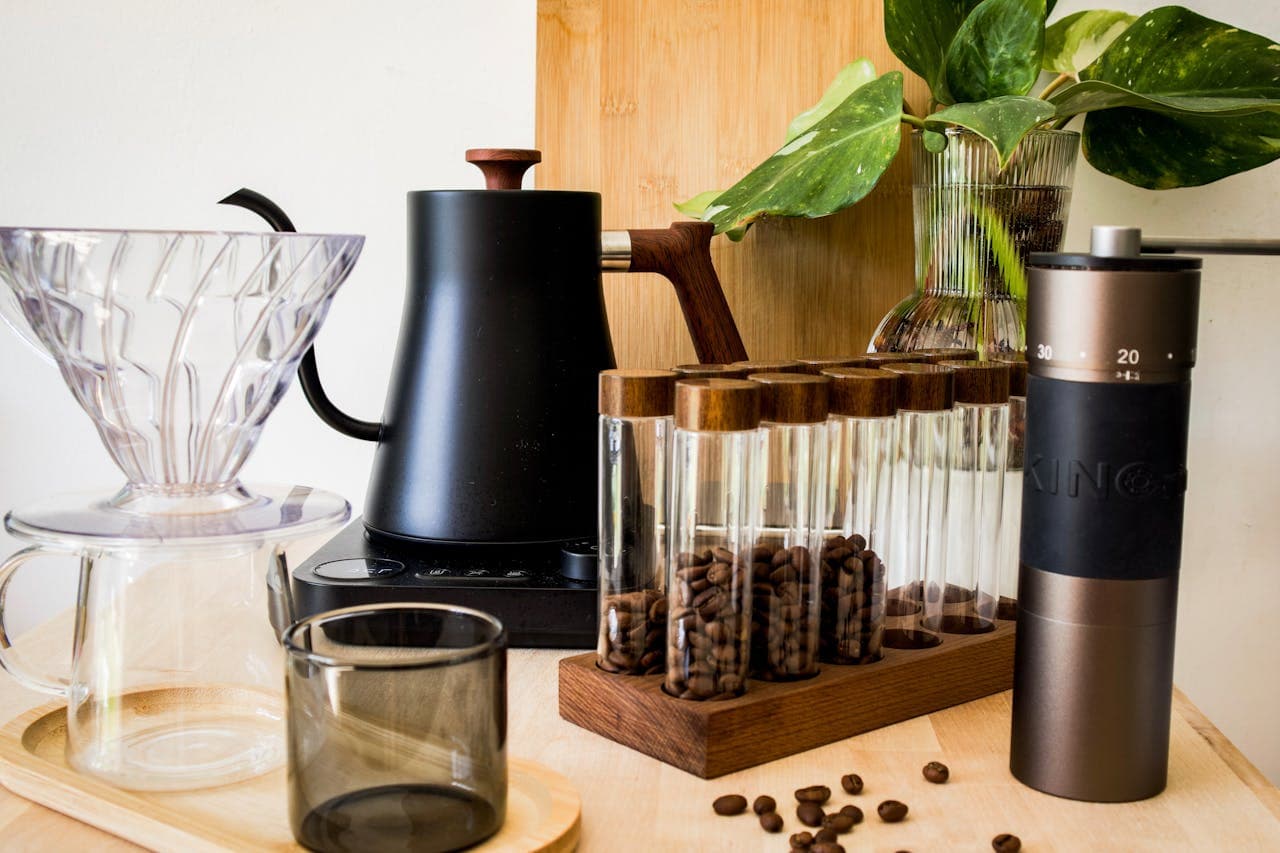
Data-driven analysis of market growth, consumer preferences, and operational strategies transforming how brands sell recurring coffee products
The coffee subscription market has become one of the fastest-growing segments in ecommerce, with 6.2 million active subscribers in North America and Europe alone. For brands looking to capture this momentum, success hinges on building flexible subscription ecommerce infrastructure that handles everything from personalized gift boxes to B2B trade accounts. The data reveals clear patterns: consumers demand customization, businesses require flexibility, and platforms must deliver both without compromising on speed or reliability.
Key Takeaways
- Market growth is accelerating — The coffee subscription market is projected to grow from $808.8 million in 2024 to $2.26 million by 2033, representing a 12.1% CAGR
- Digital channels dominate transactions — 72% of all coffee subscription orders flow through e-commerce platforms, with mobile accounting for 80% of U.S. orders
- Personalization drives retention — Brands offering algorithm-based personalization achieve 34% higher retention compared to standard models
- B2B represents untapped potential — 420,000 offices globally receive recurring coffee deliveries, with corporate subscriptions adding 400,000 new subscribers in 2023
- Flexibility reduces churn — Services offering skip-a-month options and free shipping see 22% higher retention rates
- Gift subscriptions surge seasonally — 890,000+ gift subscriptions activated during the 2023 holiday season alone
- Sustainability influences purchase decisions — 65% of subscribers prefer brands offering fair trade or organic-certified beans
Coffee Subscription Market Size and Growth Statistics
1. Global market valued at $808.8 million in 2024
The coffee subscription services market reached $808.8 million in 2024, establishing a strong foundation for continued expansion. This valuation reflects both the maturation of existing subscription models and the entry of new specialty roasters into the recurring revenue space. The market's growth trajectory shows no signs of slowing.
2. Projected to reach $2.26 billion by 2033
Market analysts project the sector will reach $2,261.1 million by 2033, nearly tripling from current levels. This growth is driven by increasing consumer preference for convenience, quality, and personalized experiences. Brands positioning themselves now stand to capture significant market share.
3. 12.1% compound annual growth rate through 2033
The market is expanding at a 12.1% CAGR from 2024 to 2033, outpacing many traditional retail categories. This sustained growth rate indicates strong consumer demand and limited market saturation. Early movers with robust subscription infrastructure will benefit most from this expansion.
4. Over 1,400 brands now offer coffee subscriptions globally
The competitive landscape has expanded significantly, with more than 1,400 brands globally offering coffee subscription services. This proliferation of options means differentiation through customer experience, personalization, and operational excellence has become essential for success.
5. 740+ coffee subscription brands operate in the United States
The U.S. market alone hosts over 740 brands, making it the most competitive regional market. This density of competitors reinforces the need for platforms that enable rapid feature deployment and flexible business model iteration.
The Rise of Personalized Coffee Subscription Gifts
6. 890,000+ gift subscriptions activated during 2023 holiday season
Gift subscriptions have become a major revenue driver, with 890,000+ gift subscriptions activated during the 2023 holiday season alone. This seasonal spike demonstrates the gift market's importance for subscription businesses. Platforms supporting gift card functionality can capture this demand without custom development.
7. 33% increase in gift card revenue associated with subscriptions
Brands reported a 33% increase in gift card revenue tied to coffee subscription services, indicating that gifting has become a primary acquisition channel. Recipients who enjoy their gift subscriptions often convert to paying customers, creating a natural funnel for long-term retention.
8. 1.4 million users completed interactive taste-matching quizzes
Personalization at scale requires data, and 1.4 million users globally completed interactive quizzes that matched roast profiles to palate preferences. These quizzes serve dual purposes: improving customer satisfaction and collecting valuable preference data for future recommendations.
9. 34% higher retention through algorithm-based personalization
Brands offering online tasting quizzes and algorithm-based personalization achieved 34% higher retention compared to services with static offerings. This improvement translates directly to lifetime customer value and reduced acquisition costs.
Best Coffee Subscription Models: What Specialty Consumers Want
10. 51% of all orders feature specialty single-origin coffee
Specialty single-origin coffee varieties account for nearly 51% of all subscription orders, demonstrating consumer appetite for premium, traceable products. This preference requires sophisticated product management systems capable of handling detailed origin information, tasting notes, and rotating seasonal offerings.
11. 47% of subscribers prefer whole bean coffee
Whole bean coffee remains the dominant format, accounting for 47% market share among subscription users in 2025. This preference indicates subscribers prioritize freshness and often own their own grinding equipment. Product catalogs must accommodate multiple grind options for each origin.
12. 42%+ of subscriptions include educational content
More than 42% of subscriptions now include educational content such as tasting notes, brewing guides, or barista tips alongside the coffee itself. This value-added approach increases engagement and justifies premium pricing. Subscription platforms must support digital content delivery alongside physical products.
13. 27% conversion increase with tasting flight offerings
Brands offering tasting flights featuring beans from Ethiopia, Guatemala, and Burundi reported a 27% increase in first-time subscriber conversion. Variety packs lower the commitment barrier for new customers while showcasing product range.
B2B Trade Coffee Subscription Models
14. 420,000 offices receive recurring coffee deliveries globally
The B2B market represents significant opportunity, with 420,000 offices globally receiving recurring coffee deliveries through subscription models in 2023. Corporate accounts typically generate higher order values and more predictable revenue than consumer subscriptions. Platforms built for B2B wholesale can handle the complexity of corporate pricing, NET terms, and bulk fulfillment.
15. Corporate segment added 400,000 subscribers in 2023
The corporate segment alone added 400,000 subscribers in 2023, growing faster than the consumer segment in absolute numbers. This growth reflects the return-to-office trend and increased focus on workplace amenities.
16. 5,200 office locations with corporate subscription partnerships
Corporate partnerships introduced coffee subscription services at 5,200 office locations globally in 2023. These enterprise deals require platforms capable of managing multiple delivery addresses, consolidated billing, and custom pricing per account.
17. 36% of remote workers dissatisfied with standard office coffee
36% of remote workers reported decreased satisfaction with standard office coffee options, creating opportunity for premium subscription alternatives delivered directly to home offices.
Coffee Delivery and Fulfillment Optimization
18. 72% of transactions occur through e-commerce channels
E-commerce channels account for over 72% of all coffee subscription transactions, making digital infrastructure the primary revenue driver. This concentration demands platforms with robust API capabilities and seamless checkout experiences.
19. Nearly 80% of U.S. subscription orders placed via mobile or e-commerce
Nearly 80% of all subscription orders in the United States are placed through mobile apps or e-commerce platforms. Mobile optimization is no longer optional—it's the primary ordering channel for the majority of subscribers.
20. 1.9 million active mobile app users worldwide
Mobile app-based ordering systems serve 1.9 million active users worldwide, with apps offering features like roast tracking, subscription management, and delivery scheduling. Headless commerce architecture enables brands to build custom mobile experiences while maintaining unified backend operations.
21. 23% decrease in shipping delays through logistics optimization
Investments in fulfillment infrastructure achieved a 23% decrease in shipping delays for leading subscription providers in 2023. Timely delivery matters more for perishable products like freshly roasted coffee, where delays directly impact quality perception.
Subscription Services: Beyond Just Coffee
22. 21% of subscription packages include complementary items
Subscription bundles offering complementary items such as filters, grinders, or chocolate add-ons now make up 21% of all coffee subscription packages. Product bundling increases average order value while creating cross-sell opportunities. Swell's native bundling capabilities with individual inventory tracking support these mixed-product subscriptions.
23. 54% of services offer multiple origin options per delivery
Over 54% of services included at least two origin options per delivery in 2023, offering subscribers variety within each shipment. This approach reduces subscription fatigue and maintains engagement.
24. 19% year-over-year growth in decaf and low-acid variants
Consumer demand for decaffeinated and low-acid coffee variants grew by 19% year-over-year, indicating diversification beyond traditional offerings. Subscription platforms must handle complex product catalogs with multiple variants per SKU.
Global Sourcing and International Commerce
25. 2.1 million users selected personalized flavor profiles
Personalized flavor profiles such as citrus-forward or chocolate-heavy were selected by 2.1 million users globally, demonstrating the importance of taste customization across markets. International expansion requires multi-currency pricing and localized content.
26. 65% of subscribers prefer fair trade or organic certification
More than 65% of subscribers prefer brands offering fair trade or organic-certified beans, making sourcing transparency a competitive advantage. Origin stories and ethical sourcing documentation have become expected content for premium subscriptions.
27. 28% higher engagement with direct trade storytelling
Subscription services highlighting direct trade partnerships and farmer-focused stories see 28% higher engagement. This storytelling approach builds brand loyalty and justifies premium pricing.
Customer Retention and Flexible Subscription Options
28. 48% of users engage with skip, pause, or frequency options
More than 48% of users engage with flexible delivery features like skip, pause, or frequency-adjustment options. Platforms enabling customer self-service for subscription management reduce support burden while improving satisfaction.
29. 31% lower churn with in-depth personalization
Services offering in-depth personalization reported 31% lower churn compared to one-size-fits-all approaches. This improvement compounds over time, dramatically increasing customer lifetime value.
30. 22% higher retention with free shipping and skip options
Brands offering free shipping combined with skip-a-month options saw 22% higher retention. These flexibility features have become table stakes for competitive subscription offerings.
31. 38% of potential customers cited cost concerns for cancellation
Over 38% of customers reported canceling or delaying subscriptions due to cost concerns in 2023. Flexible pricing tiers, pause options, and prorated billing help retain price-sensitive customers during economic uncertainty.
32. AI-powered personalization achieves 11% higher retention
AI-powered personalization tools achieved an 11% higher retention and contributed to a 24% rise in user satisfaction scores. Investment in intelligent recommendation systems pays dividends through reduced churn and increased engagement.
Implementation Best Practices for Coffee Subscription Businesses
Building a successful coffee subscription business requires infrastructure that handles the unique demands of recurring revenue models:
Core platform requirements:
- Native subscription billing with flexible intervals (weekly, bi-weekly, monthly, quarterly)
- Separate invoicing from fulfillment schedules for seasonal products
- Mixed cart support combining one-time and subscription purchases
- Automatic payment retry and dunning rules to reduce involuntary churn
- Customer self-service portals for pause, skip, and plan changes
Product catalog considerations:
- Unlimited variants for roast levels, grind sizes, and bag weights
- Custom attributes for origin, altitude, processing method, and tasting notes
- Bundle support with individual inventory tracking for variety packs
- Purchase options allowing same product as subscription or one-time buy
International expansion capabilities:
- Multi-currency pricing with explicit rules per market
- Localized content for product descriptions and email notifications
- Tax calculation integration for cross-border compliance
- Real-time exchange rate handling for consistent pricing
The brands capturing the most market share are those building on platforms designed for subscription complexity from the ground up, rather than retrofitting traditional e-commerce systems with third-party apps.
Frequently Asked Questions
How do coffee subscription services personalize the experience for their customers?
Leading services use interactive taste-matching quizzes to build customer profiles, with over 1.4 million users completing such quizzes globally. These profiles inform automated product recommendations, resulting in 34% higher retention rates compared to static offerings. Personalization extends to packaging, delivery frequency, and educational content based on customer preferences. The most sophisticated services use machine learning algorithms to refine recommendations over time. This data-driven approach creates a customized experience that keeps subscribers engaged and reduces churn.
What are the benefits of a trade coffee subscription for businesses?
B2B coffee subscriptions provide predictable revenue with higher order values than consumer accounts. The corporate segment added 400,000 subscribers in 2023 alone. Business accounts benefit from consolidated billing, multiple delivery addresses, and custom pricing structures that standard consumer subscriptions don't require. Corporate subscriptions also create opportunities for larger bulk orders and longer contract commitments. These enterprise relationships tend to be more stable and less price-sensitive than individual consumer accounts.
How can I ensure my coffee subscription is sustainable and ethically sourced?
65% of subscribers prefer brands with fair trade or organic certifications. Look for subscriptions that highlight direct trade relationships and provide origin transparency. Services emphasizing sustainability storytelling see 28% higher engagement, making ethical sourcing both a values alignment and a business advantage. Seek out providers that share detailed information about farming practices, fair wages, and environmental impact. The best services build long-term relationships with specific farms and cooperatives, ensuring quality and accountability throughout the supply chain.
What are the best practices for managing customer churn in a coffee subscription business?
Offering flexibility is essential, with 48% of users actively using skip, pause, or frequency-adjustment features. Brands combining free shipping with skip options achieve 22% higher retention. Implementing automatic payment retry and card expiration notifications also reduces involuntary churn from failed payments. Personalization tools that adapt to customer preferences help maintain engagement over time. Regular communication through educational content and exclusive offers keeps subscribers connected to your brand beyond just the coffee delivery.
What payment flexibility should modern coffee subscription services offer?
Modern subscribers expect pause and resume capabilities, plan upgrades and downgrades with prorated billing, and the ability to modify delivery frequency without canceling. 38% of cancellations stem from cost concerns, so offering multiple pricing tiers and temporary pause options helps retain customers who might otherwise churn during budget constraints. Automated payment retry systems reduce involuntary churn from expired cards or failed transactions. The most successful services provide self-service portals where customers can manage all aspects of their subscription without contacting support. This combination of flexibility and convenience has become a competitive necessity in the modern subscription economy.